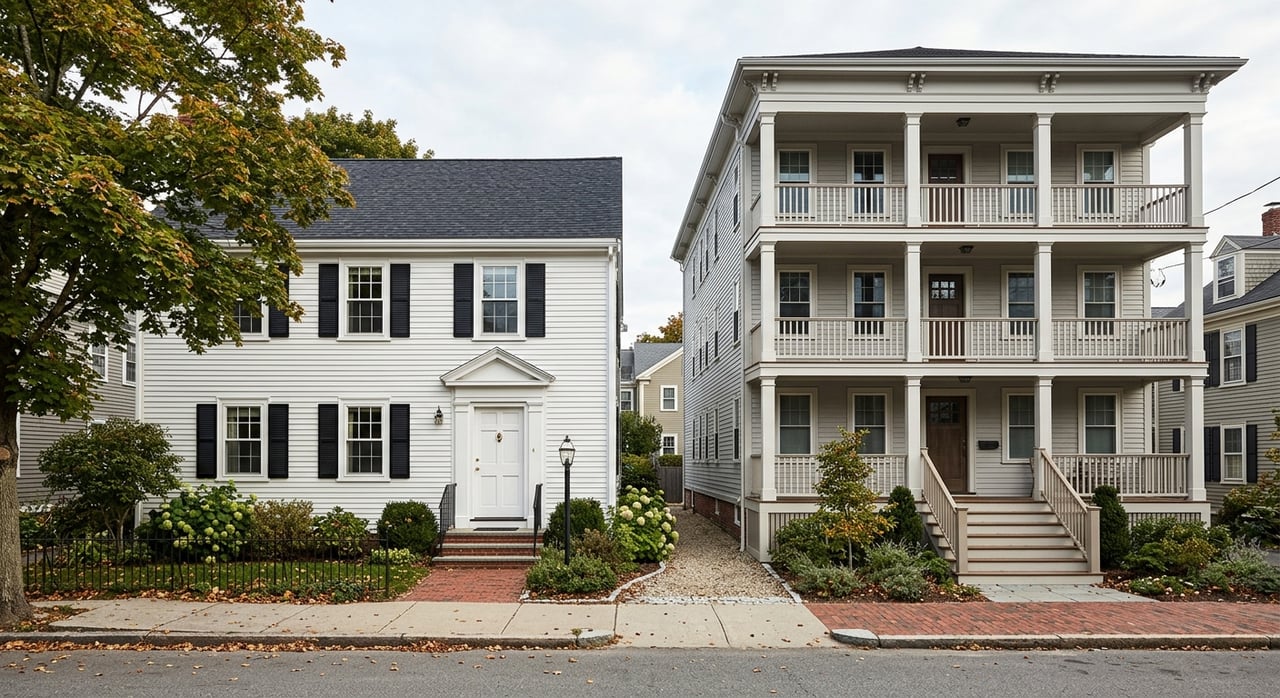
Trying to decide between a single-family home and a multi-family property in Fall River? That choice can shape your budget, your daily routine, and how much responsibility you take on after closing. If you want a clear, local comparison instead of generic advice, this breakdown will help you weigh price, taxes, upkeep, and rental income potential so you can choose the property type that truly fits your goals. Let’s dive in.
Fall River Market Basics
Fall River has a very different housing profile than many nearby markets. It is renter-heavy, with 66% of households renting and an owner-occupied housing rate of 35.3%.
That matters because demand for rental housing is part of what makes multi-family properties such a big part of the local market. Fall River’s housing stock also leans heavily toward multi-unit buildings, with about 46% of units in 2-to-4 family properties and 29% in 5+ unit buildings, while about 25% are detached single-family homes.
The city’s housing is also older overall. About 55% of units were built before 1939, and only 3.88% were built in 2000 or later.
From a pricing standpoint, recent data places Fall River in the mid-$400,000s overall. Recent market readings showed a median sale price around $474,616, while a separate March 2026 report showed a single-family median sales price of $420,000 and a year-to-date median of $478,685.
Single-Family Homes in Fall River
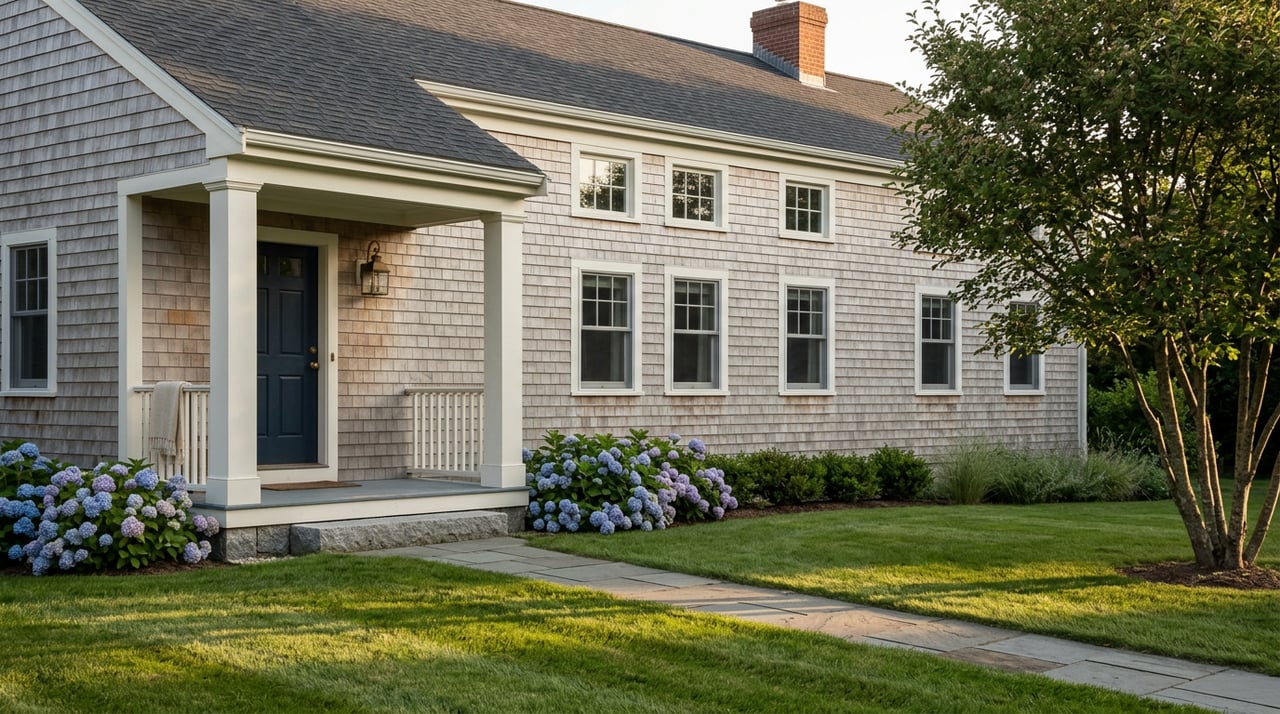
If you want more privacy and a more predictable homeownership routine, a single-family home may be the better fit. In Fall River, many current single-family listings fall around the $425,000 to $460,000 range for 3-bedroom, 2-bath homes with roughly 1,500 to 2,000 square feet.
As size increases, prices usually move up as well. Larger single-family homes in the market often land in the $525,000 to $750,000 range, with roughly 2,500 to 3,300 or more square feet.
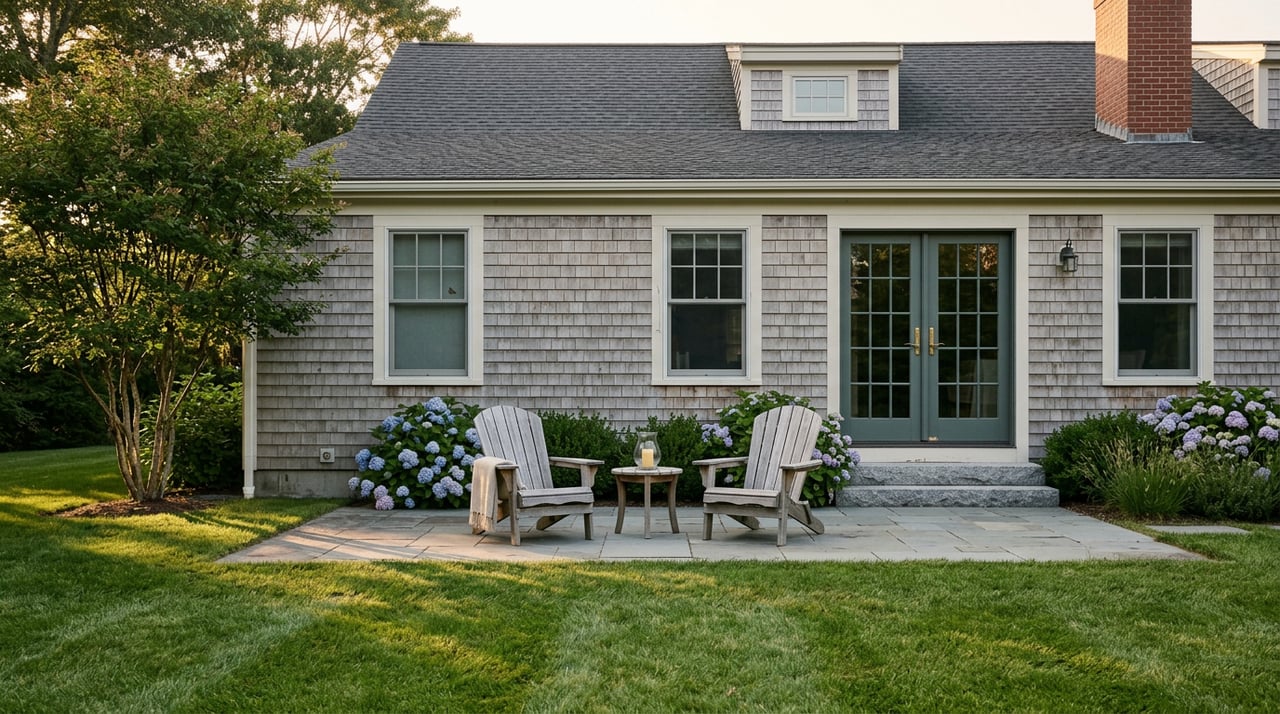
Another practical difference is outdoor space. Current listing examples suggest that many single-family homes come with larger lots than multi-family properties, including lots around 4,400 to 6,100 square feet and some closer to 0.28 to 0.40 acres.
Why buyers choose single-family
Single-family homes often appeal to buyers who want:
- More privacy
- Fewer shared walls or shared spaces
- Simpler day-to-day upkeep decisions
- A more straightforward ownership experience
- Outdoor space that may be easier to use for your own needs
For many buyers, the biggest advantage is simplicity. You are focused on your own home rather than also managing another unit, another household, or rental-related responsibilities.
What single-family costs may look like
Property taxes are an important part of the monthly picture. Fall River’s FY2026 residential tax rate is $11.48 per $1,000 of assessed value.
At a $420,000 price point, that works out to about $4,821.60 per year before any exemptions. At $475,000, that comes to about $5,453 per year before exemptions.
Those numbers do not tell the whole story, but they give you a helpful baseline as you compare options. If your priority is a more predictable monthly routine, single-family ownership often gives you fewer moving parts.
Multi-Family Homes in Fall River
If your goal is to offset your housing cost with rental income, a multi-family property may deserve a serious look. In Fall River, current listings commonly show multi-family homes in the high $400,000s to mid $600,000s for 4-bedroom, 2-bath properties around 1,900 to 2,800 square feet.
Larger 6-bedroom, 3-bath examples often land around $599,000 to $749,000, with roughly 1,900 to 3,700 or more square feet. Recent listing data also showed 73 multi-family listings with a median listing price of $645,000.
In Fall River, many multi-family properties are not giant apartment buildings. They are often classic owner-occupied duplexes, triple-deckers, or similar 2-to-4 family buildings that match the city’s historic housing stock.
Why buyers choose multi-family
Multi-family properties often attract buyers who want:
- Rental income to help offset ownership costs
- A property that may support long-term wealth building
- Flexibility to live in one unit and rent the others
- A way to enter the market with income-producing space
For the right buyer, this can be a practical strategy. If you plan to stay for several years, the rental offset may meaningfully change your monthly budget.
What rental income may look like
Local rent levels help explain why multi-family homes remain attractive in Fall River. Recent rent benchmarks showed average rents around $1,900 for a 2-bedroom and $2,362 for a 3-bedroom.
Using those averages, here is what gross monthly rent could look like before vacancy, taxes, insurance, and repairs:
- Two average 2-bedroom units: about $3,800 per month
- Three average 2-bedroom units: about $5,700 per month
- Two average 3-bedroom units: about $4,724 per month
- Three average 3-bedroom units: about $7,086 per month
That is gross rent, not profit. Still, it gives you a useful starting point when comparing a higher purchase price against the potential to offset your monthly housing expense.
The Real Tradeoff: Simplicity or Income
This decision is not just about price. In Fall River, it is often about whether you want a simpler ownership experience or are comfortable taking on a property that works more like a small operation.
A single-family home usually gives you a cleaner, more straightforward path. You buy the home, maintain the property, and manage one household.
A multi-family home adds another layer. You may gain rental income, but you also take on more systems, more compliance issues, and more responsibility overall.
Maintenance and Compliance Matter
Because Fall River has older housing stock, age-related maintenance is a real factor in both property types. It becomes even more important when you look at many of the city’s older multi-family homes.
Lead paint planning
Massachusetts Lead Law requires the removal or covering of lead paint hazards in homes built before 1978 when children under age 6 live there. Owners are responsible for compliance, including owners of rental property.
With so much older housing in Fall River, this is not something to gloss over. It is one of the reasons a careful review of property condition matters so much before you buy.
Smoke and carbon monoxide alarms
Massachusetts requires working smoke alarms in every home, and most residences also need carbon monoxide alarms. The state also says landlords must install and maintain carbon monoxide alarms in every dwelling unit that has a source of carbon monoxide.
For a single-family buyer, that is usually a straightforward home-safety issue. For a multi-family owner, it can become part of a broader property management responsibility.
Utility setup can affect your budget
In a multi-family property, utility billing is not always simple. Massachusetts says residential property owners must pay for electricity for each unit unless that unit has a separately metered utility-company meter and the written rental agreement allows the tenant to pay.
That means you need to understand how the building is set up before you buy. A property with unclear utility arrangements can affect your monthly numbers in a meaningful way.
How to Choose the Right Fit
If you are torn between the two, it helps to ask yourself a few honest questions. The best option is not the one that sounds smartest on paper. It is the one that fits your finances, comfort level, and long-term plan.
Single-family may fit you better if you want:
- A lower purchase price than many multi-family options
- More privacy
- A simpler maintenance routine
- Fewer compliance and management responsibilities
- A more predictable monthly budget
Multi-family may fit you better if you want:
- Income potential from additional units
- A live-in ownership strategy
- More flexibility for long-term planning
- A property type that matches Fall River’s strong rental demand
- A willingness to manage more moving parts
Why Local Guidance Helps
In Fall River, this is a very local decision. The city’s housing stock, rent levels, tax picture, and older building inventory all create a market where single-family and multi-family properties can both make sense, but for very different reasons.
That is why the best comparison is not just sale price or square footage. You also need to look at taxes, likely maintenance, safety compliance, utility setup, and whether rental income fits your real-life goals.
When you work with an experienced local broker, you can sort through those details with a clearer plan. That can help you move forward with more confidence, whether you are buying your first home or looking at an owner-occupied multi-family strategy in Fall River.
If you want help comparing single-family and multi-family opportunities in Fall River, Brian Cormier can help you make sense of the numbers, the tradeoffs, and the local market so you can move forward with confidence.
FAQs
What is the main difference between buying single-family or multi-family in Fall River?
- In Fall River, single-family homes usually offer more privacy and a simpler ownership experience, while multi-family properties usually offer rental income potential but come with more management and compliance responsibilities.
What do single-family homes typically cost in Fall River?
- Current examples show many Fall River single-family homes around $425,000 to $460,000 for a 3-bedroom, 2-bath home, while larger homes often range from about $525,000 to $750,000.
What do multi-family homes typically cost in Fall River?
- Current examples show many Fall River multi-family properties in the high $400,000s to mid $600,000s, with larger 6-bedroom, 3-bath examples often ranging from about $599,000 to $749,000.
How strong is rental demand in Fall River for multi-family buyers?
- Fall River is a renter-heavy market, with 66% of households renting, and recent average rents were about $1,900 for 2-bedroom units and $2,362 for 3-bedroom units.
What property tax rate should Fall River buyers expect?
- Fall River’s FY2026 residential tax rate is $11.48 per $1,000 of assessed value, which equals about $4,821.60 annually at $420,000 and about $5,453 annually at $475,000 before exemptions.
Why does older housing matter when buying in Fall River?
- Fall River has a large share of older homes, so buyers should pay close attention to condition, maintenance needs, lead paint rules, alarm requirements, and utility setup, especially when considering multi-family properties.